

A dental laboratory and clinic should communicate with technician to plant and execute the reatorative procedures to acheive excellent results. Advanced knowledge of the materials used for fabrication of prosthesis can be imparted by the dentist to the technician. A dental laboratory and clinic must have openness in communication and also faith and trust. Contact us for more information.
Channels of communication between Dental Laboratory and Clinic
Successful prostheses depend on accurate, consistent communication between the clinician and the dental laboratory. Use the following protocol to prevent remakes, delays, and patient dissatisfaction.
1) Primary Communication Channels
Face-to-face (chairside/technician visit).
Best for shade verification, margin assessment, and complex esthetics. Notes from in-person discussions must be recorded in the lab sheet.
Written work authorization (standard).
Every case must include a complete written prescription: restoration type, material, shades, design, due dates, contact person.
Digital transfer (recommended back-up).
When verbal notes are forgotten or paper slips are misplaced, digital case forms keep everything in one place. Upload:
Intra/extra-oral photographs (retracted, smile, shade tab in frame)
Shade information (guide, characterization, stump shade)
3D files (STL/PLY), CBCT if implant-related
Study models / impressions, bite registrations
Diagnostic wax-ups or digital mock-ups
Occlusal scheme and opposing arch details
Phone/Video call (for clarifications).
If additional information is needed, a short telephonic discussion between dentist and lab coordinator resolves queries quickly. Document outcomes in the case notes.
2) What the Clinician Must Specify
To streamline fabrication, the clinician should clearly mark dies and specify:
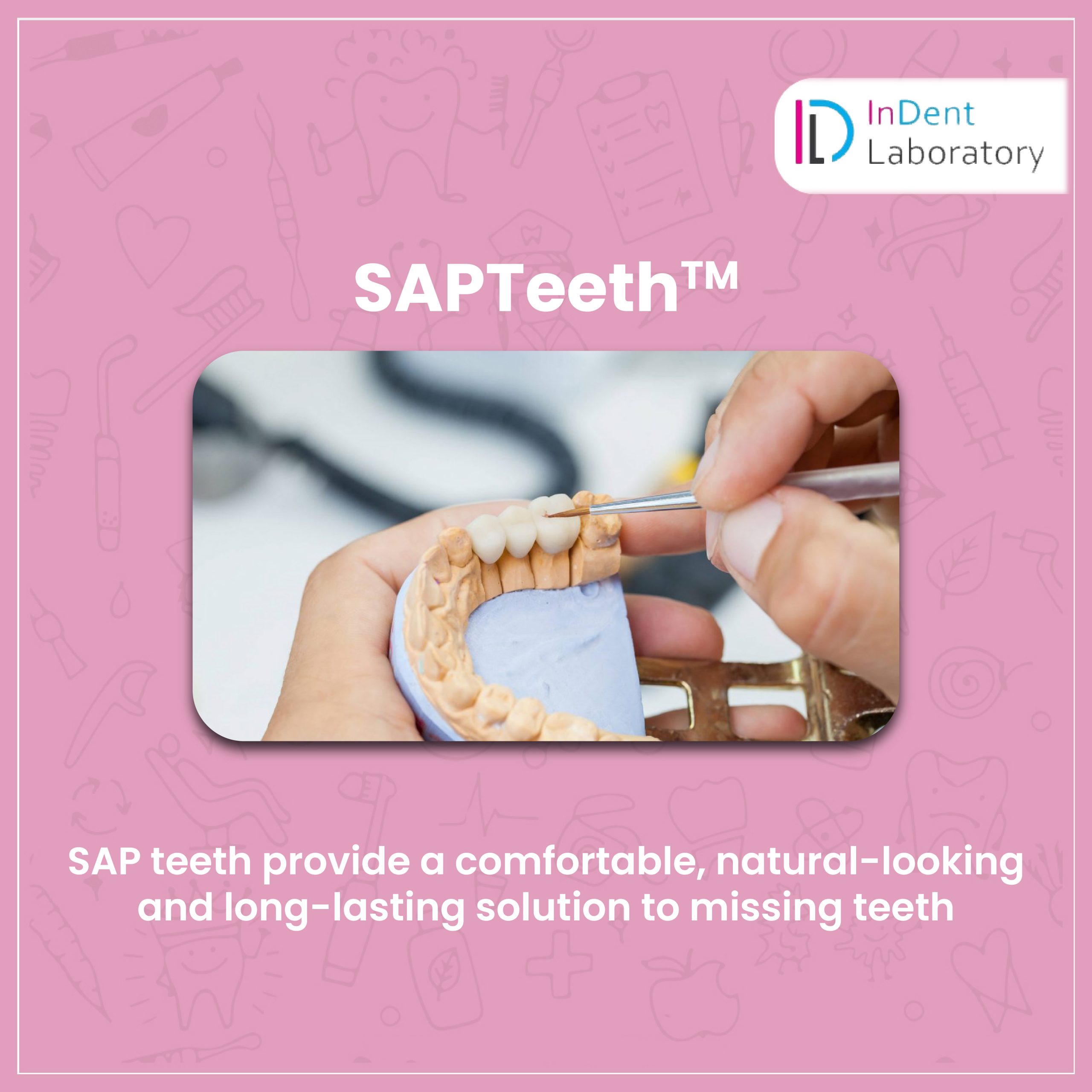
Material selection: alloy choice, zirconia/ceramic/composite or polymer (e.g., SAPTeeth™)
Porcelain/composite system, translucency, texture, glaze/polish preference
Pontic design for fixed prosthesis (ridge contact, hygiene access)
Emergence profile for implants; soft-tissue contours and gingival shade (if pink)
Esthetic & functional priorities stated explicitly: “esthetics first / strength first / balanced”
Patient preferences (shade range, surface finish, incisal halo, mamelons)
3) Brand & System Choices (Dentist ↔ Dental Lab)
Brand decisions are a one-to-one discussion between the dentist and the dental technician, balancing:
Indication, strength, esthetics, repairability
Available abutments, screws, and components (implant system compatibility)
Milling/pressing/printing workflow supported by the dental laboratory
Record the agreed brand/system on the work authorization to avoid substitutions.

4) Timelines & Deliverables
Turnaround affects chair time and patient experience. Define:
Required stages & dates: diagnostic wax-up, framework try-in, bisque/fit check, final delivery
For implants: jig verification, prosthetic screw torque plan, bite records at each stage
The lab should confirm dispatch/delivery dates; the clinic should confirm receipt and trial outcomes the same day.
Any change after a trial (shade, contacts, occlusion, design) must be immediately communicated to the dental laboratory with updated photos and notes.
5) Casts, Implants & Cost Transparency
The technician must know whether casts include natural teeth, implants, or both and fabricate accordingly:
Respect tooth preparation geometry and finish lines
Align with implant positions (angulation, gingival height, screw- vs cement-retained)
Costing depends on brand/system, material tier, and number of trials; quote approvals should be recorded before fabrication proceeds.
6) Consequences of Poor Communication
Inadequate information leads to fit issues, esthetic mismatches, occlusal errors, remakes, increased costs, and strain on the dentist–dental laboratory relationship. A clear, documented, and digital-first protocol safeguards outcomes and trust.